


Blog
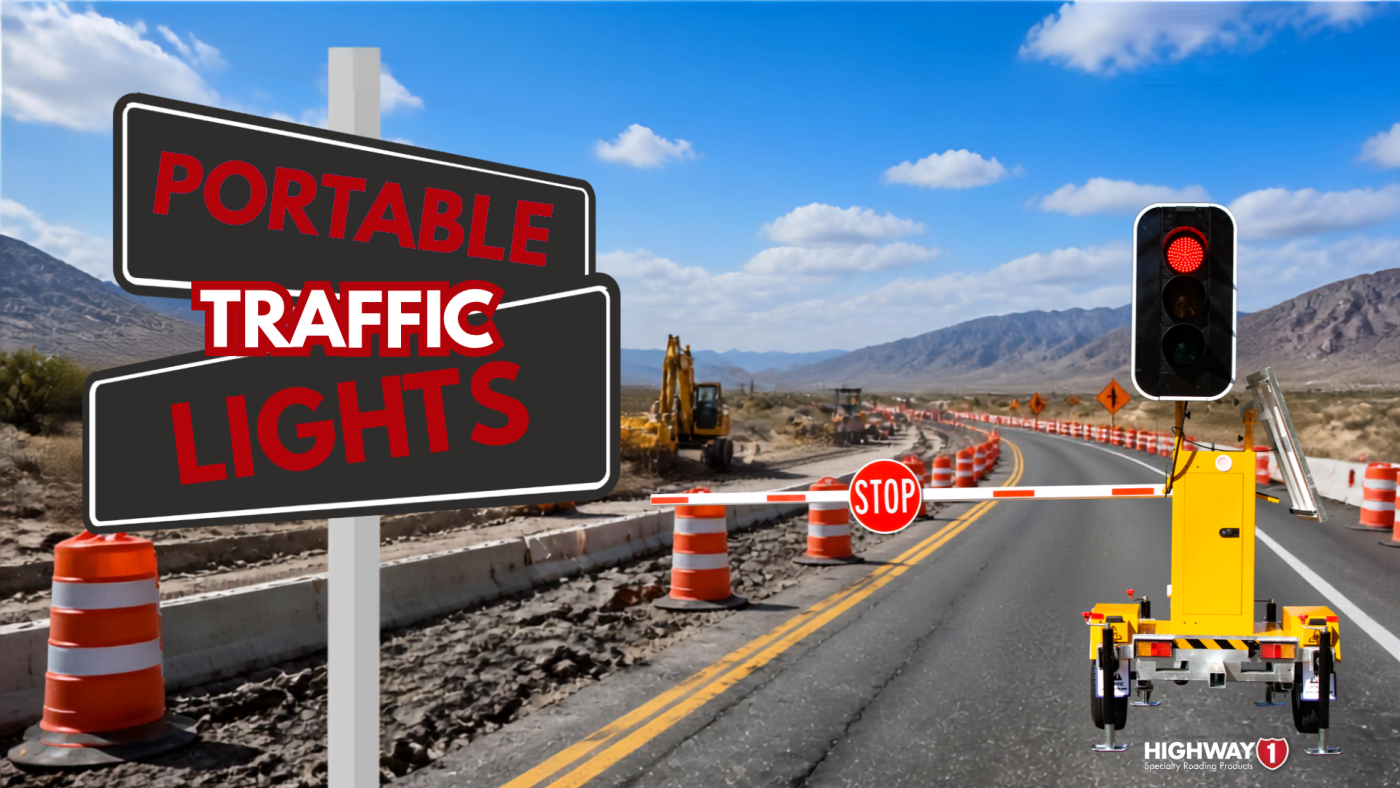
Portable Traffic Lights: What They Are and When Your Site Needs Them
Aug
If your team runs single-lane closures, T-junction diversions, or short-term road closures, portable traffic lights are probably already on your radar; or they should be. Besides, with industry shifts toward a risk-based approach to temporary traffic management (TTM), portable traffic lights are seeing more use.
Done right, a portable traffic light system keeps traffic moving safely through a worksite without a traffic controller standing in the live lane, and without the ongoing labour cost that comes with it.
Here’s what portable traffic lights actually do, how they work, and what to weigh up before your next job.
What Is a Portable Traffic Light?
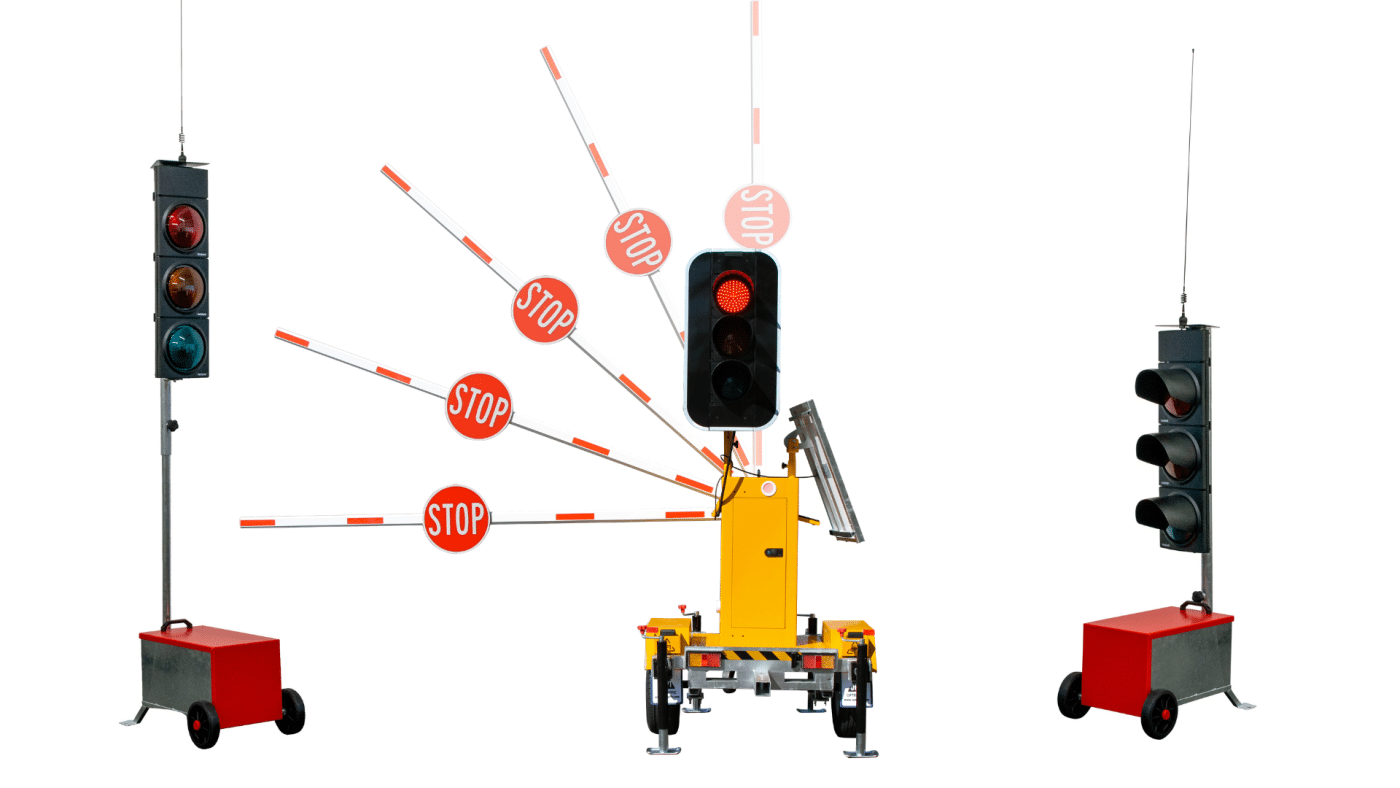
A portable traffic light (sometimes called a PTL) is a self-contained, temporary version of a standard intersection signal. Instead of being wired into the road network, it runs on its own power source (usually battery, often topped up by solar) and can be controlled remotely or automatically, wheeled, trailered, or carried into position wherever traffic needs controlling.
For a contractor, council, or site manager, that means one piece of equipment can do the job a Stop/Go traffic controller would otherwise do, without a person standing at the edge of live traffic for the length of the job.
How They Work
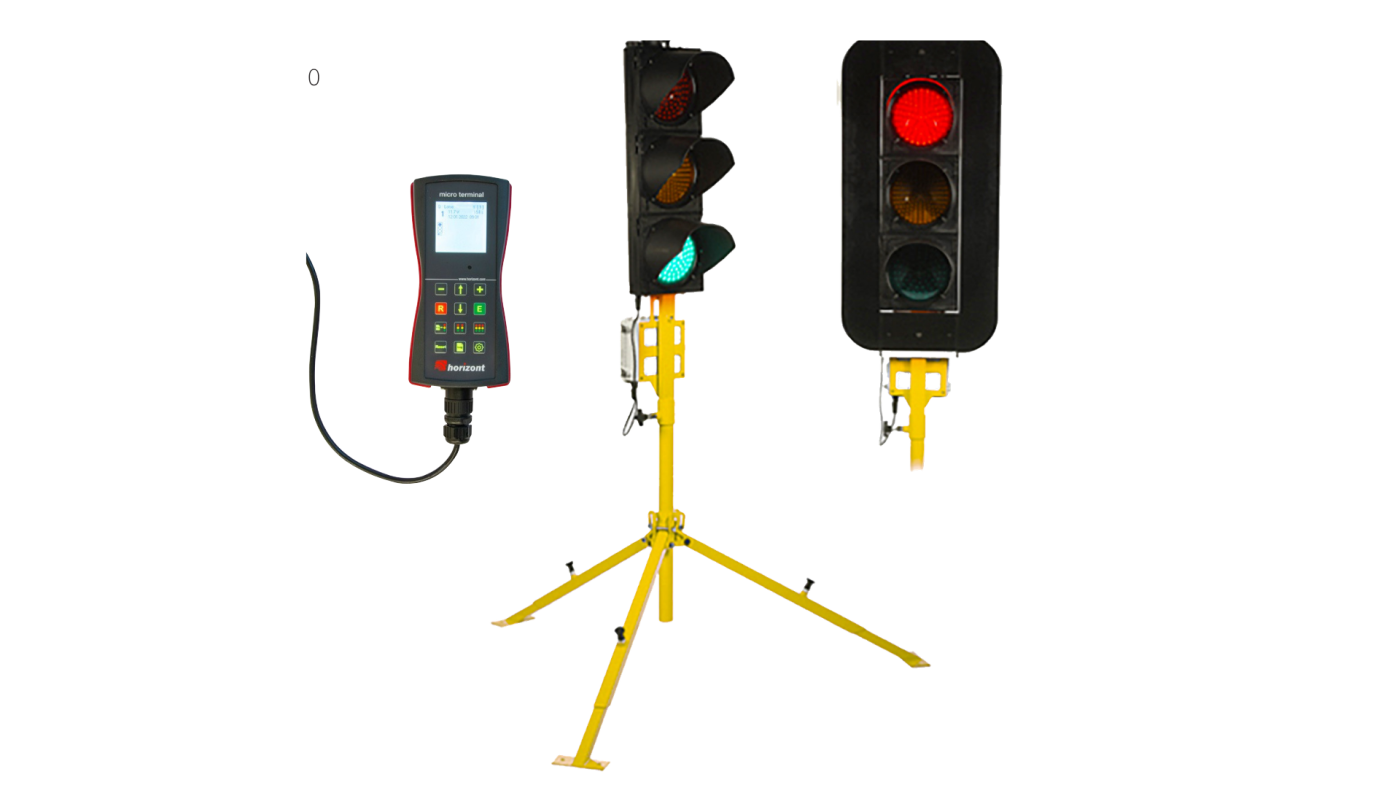
Most portable traffic light systems run one of a few control modes, and better units let you switch between them depending on the job:
- Cable connection — two light units are wired together, giving a reliable, uninterrupted link with no risk of signal drop-out
- Radio/wireless — units talk to each other over radio, which is faster to set up and doesn’t require running cable across the road
- Quartz/timer mode — lights cycle on a programmed timer, useful for consistent, predictable traffic flow
- Vehicle-activated (radio detection) — the system detects an approaching vehicle and responds automatically, rather than running on a fixed timer regardless of traffic
Many systems also include a countdown timer on the red light, which helps drivers know roughly how long they’ll be waiting; a small detail, but one that noticeably reduces impatience and the temptation to jump the light. Our Porta Auto Portable Traffic Light is a good example of this flexibility in practice. It runs radio, quartz, cable, or manual operation from the same unit, so crews can switch modes as a site’s conditions change rather than being locked into one setup.
Why Businesses Choose Portable Traffic Lights Over a Traffic Controller
A traffic controller with a Stop/Go sign works, but it means rostering someone to stand at the edge of a live lane for the length of the job; shift after shift, on every site that needs it. Portable traffic lights get the same result (safe, controlled single-lane traffic) without that ongoing labour cost or the exposure risk that comes with it. They also give more consistent traffic control than a person managing stop/go manually, which matters most on longer-duration or higher-risk sites, running continuously without breaks or shift changes.
That’s not to say they replace a Traffic Management Plan or a qualified traffic management operator. They don’t. But for businesses running multiple sites or longer-duration jobs, they cut down how much crew time (and risk) goes into keeping a single lane moving.
What NZTA Compliance Means for Your Business
Any temporary traffic control equipment used on a public road in New Zealand (portable traffic lights included) needs to sit within an approved Temporary Traffic Management Plan. NZTA has moved toward a risk-based approach to TTM, with the NZ Guide to Temporary Traffic Management (NZGTTM) now supporting that framework. CoPTTM was the long-standing code of practice this replaced. It may still apply on some contracts or where a specific RCA requires it, so it’s worth confirming which framework applies to your site.
For a business, this is what makes the difference between a site that’s defensible if something goes wrong and one that isn’t. If you’re buying or hiring, confirm a system’s compliance status upfront, and keep that documentation on file for your own audit trail. Our Heavy Duty Portable Traffic Lights, for instance, are NZTA- and DIN-certified, so that documentation is already sorted before the unit even reaches site.
Choosing the Right System for Your Operation
A few practical things worth weighing up before you commit to a system:
- How many phases do you need? A straightforward single-lane closure might only need two-phase control, while a T-junction or multi-approach site may need more.
- Cable, radio, or both? Radio setups are quicker to deploy across multiple sites; cable is a solid fallback where radio interference or line-of-sight is a concern.
- Hire or buy? If your business runs temporary traffic control regularly, owning a system usually works out better value over time — but factor in storage, maintenance, and staying current with any future changes to NZTA standards. For occasional or one-off jobs, hiring may make more sense.
- How long is the job? For short jobs, quick setup and portability matter most. For longer or repeat jobs, battery life, solar charging, and durability start to matter more. Our Dual Trailer Portable Traffic Signals are built with extended jobs like this in mind.
- Remote range — if your site is long or has limited visibility between ends, check how far the remote or wireless link actually reaches.
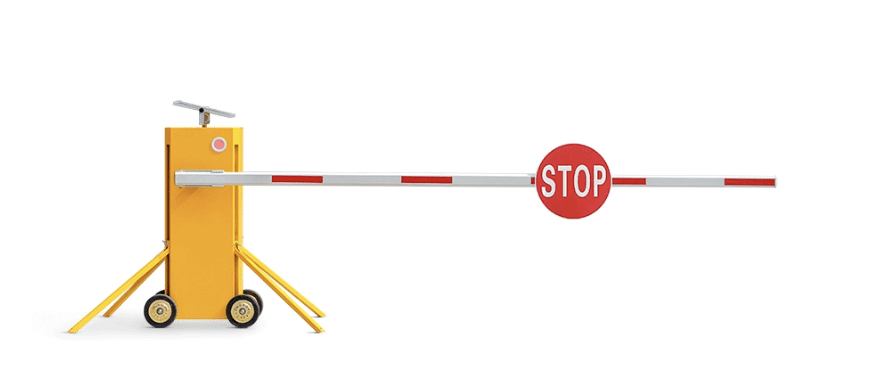
If your site also needs to manage vehicle access alongside traffic flow (say, controlling entry to a compound or haul road), it’s worth looking at this alongside boom gate options like our HW1 Boom Gate, which pairs well with a portable signal setup rather than running as a separate system.
Get It Right, Every Time
Portable traffic lights are one of those pieces of kit that only get noticed when something goes wrong. A light that drops signal, a battery that dies mid-shift, a unit that’s not actually compliant. For a business running sites week in, week out, getting the setup right the first time means fewer surprises, less liability, and a safer job for the crew on the ground.
If you’re weighing up which system suits your next job or your whole fleet, take a look at our full range of portable traffic lights, or get in touch via info@highway1.co.nz and our team can talk you through the options.
