


Blog
Level 1 vs Level 2 Temporary Warning Signs: What’s the Difference?
Sep
If you’ve ever compared two seemingly identical temporary warning signs and wondered why one costs more or looks larger than the other, there’s a good reason.
Level 1 and Level 2 temporary road signs are different sizes, with the larger signs providing greater visibility and recognition distance where it’s needed. But choosing the right sign isn’t simply about bigger being better (or assuming that) because a particular size has always been used on a road, it’s automatically the right choice. The sign needs to suit the road environment, speed, visibility, location and the actual risks of the worksite.
Here’s what separates Level 1 from Level 2 temporary warning signs, why the difference matters, and what you should consider when choosing between them.
What Do Level 1 and Level 2 Mean?
Under the former CoPTTM framework, road environments were categorised into different levels and temporary traffic signs were specified in corresponding sizes. That terminology became deeply embedded in the New Zealand TTM industry, which is why you’ll still regularly hear people asking for a Level 1 or Level 2 sign.
In simple terms, the key physical difference is generally size. A Level 2 version of the same sign is larger than its Level 1 temporary warning sign equivalent, providing greater conspicuity and allowing the sign to be recognised from further away. But size is only one part of selecting appropriate temporary traffic management equipment.
Why Are Larger Signs Used?
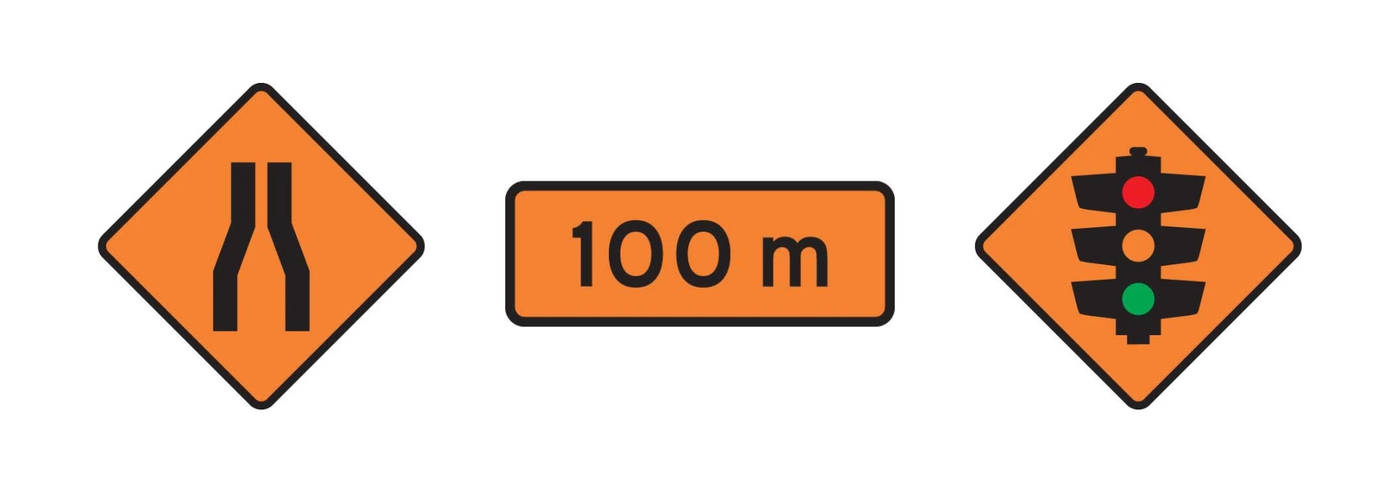
Think about what an approaching driver actually has to do. They need to see the sign, recognise it, understand the message, decide what to do, and react safely.
As vehicle speed increases, the distance travelled during that process increases significantly. Traffic volume, road geometry, competing visual information, weather, sight distance, worksite layout and other factors can also affect how effectively a temporary sign communicates its warning.
That’s why simply using the smallest available sign because it’s easier to transport isn’t necessarily the right approach. The equipment should suit the actual application.
So Which Sign Should You Use Today?
This is where temporary traffic management has changed. Rather than relying solely on an old road-level label, sign selection should form part of the planning and risk-management process for the worksite.
Depending on the application, consideration may need to be given to:
- Operating speed and traffic environmen
- Available sight distance
- Road geometry
- Duration and nature of the work
- Location of workers relative to live traffic
- Visibility and conspicuity
- Applicable Traffic Control Devices requirements
- Road controlling authority requirements
- The TMP and site-specific risk assessment
The objective isn’t simply to tick a Level 1 or Level 2 box; but to make sure road users receive the information they need early enough to understand it and respond safely.
Bigger Doesn’t Automatically Mean Better
It’s also worth remembering that there isn’t one sign, product or TTM setup that’s automatically right for every application. Larger equipment can improve visibility in the right environment, but equipment selection should still consider installation, positioning, available space, wind loading, supports and the specific requirements of the site.
The right product is the one that’s appropriate for the application and correctly installed. That’s a principle Highway 1 applies across temporary signs, portable traffic signals, VMS, arrow boards, barriers and other traffic management equipment.
Don’t Confuse Old Terminology With Current Requirements
You’ll continue to hear Level 1 and Level 2 throughout the industry, and Highway 1 continues to manufacture and supply signs in these established sizes.
But buyers should understand what those terms actually describe rather than assuming an old road classification automatically determines everything that belongs on a modern TTM site.
New Zealand’s TTM environment has changed. Equipment selection increasingly needs to be supported by risk assessment, current specifications and requirements, and an understanding of what the product was actually designed to do. That’s particularly important as TTM practices continue to evolve.
Sourcing the Right Signs for the Job with Highway 1
Getting sign levels right across a busy TTM operation, especially one running multiple sites at once, is easier when your supplier already understands the requirements and stocks both ranges ready to go.
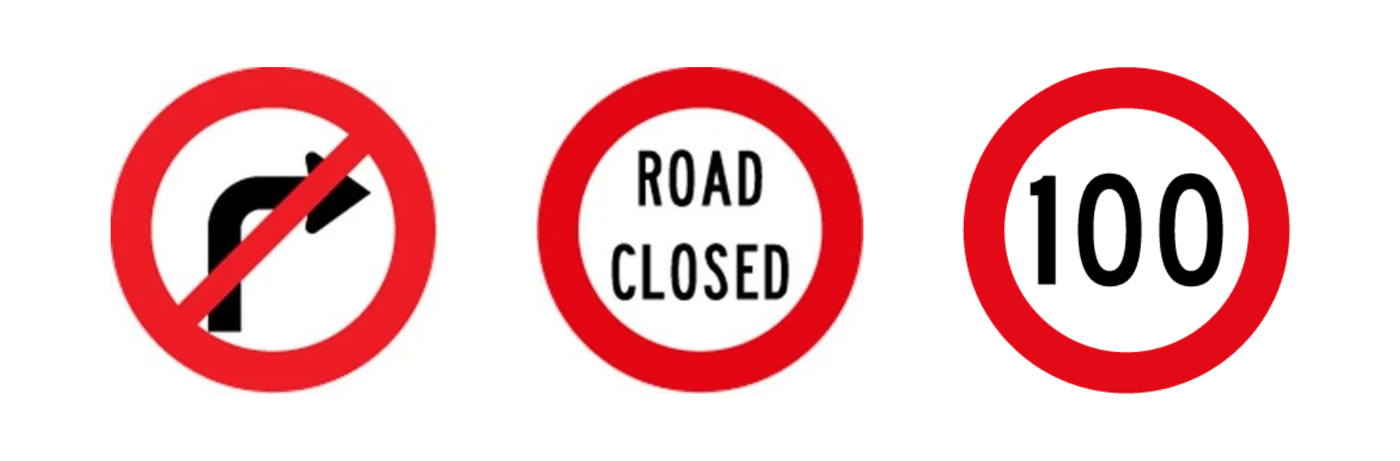
Highway 1 manufactures and supplies a large range of temporary traffic signs for New Zealand road and worksite applications. We can supply established Level 1 and Level 2 sizes across warning, regulatory, speed, lane-management and worksite signage, as well as custom signage for applications requiring something different.
More importantly, we’re happy to help customers understand the differences between the available options rather than simply selling whatever product code appears on an order.For temporary road signage, technical information or help selecting an appropriate product, email info@highway1.co.nz anytime or call 0800 175 571.
