


Blog
L-Series vs M-Series LED Displays: What’s the Difference?
Oct
It’s easy to focus on brightness, resolution, certifications and price when comparing VMS LED displays. These are all important, but there’s another factor that’s just as worth considering. How is the display actually built?
Two LED displays can look almost identical when switched on. They might offer similar brightness, viewing angles and performance classifications, but the technology behind the screen can be quite different.
These differences can affect how well a display handles outdoor conditions, how easy it is to maintain and how much it costs to keep it running over time.
At Highway 1, we believe understanding the equipment you’re buying helps you make better-informed decisions. Looking beyond the screen gives you a clearer picture of what you’re investing in and what to expect over its working life. So let’s discuss what sets the L-Series and M-Series LED displays apart, and why it matters to know when choosing a Variable Message Signs (VMS) for New Zealand roads.
What’s the Difference Between L-Series and M-Series LED Displays?
The main difference discussed here is how the LED modules are housed and protected.
M-Series displays commonly use multiple individual LED panels joined together to form a larger display. L-Series displays can also have replaceable LED modules, but these sit within a larger enclosed assembly.
Both approaches can deliver good visual performance, and both can be designed for outdoor use. The difference comes down to how the components are assembled, sealed and accessed for maintenance.
1. M-Series displays use individual LED panels
M-Series displays commonly consist of individual LED panels fitted together to create the full display face.
Each panel may have its own plastic housing, mounting screws, electrical connections, and seals. This approach offers flexibility during manufacturing and allows individual panels to be replaced when needed.
However, each panel can also introduce additional connections, mounting points and sealing interfaces that need to withstand the operating environment. When a display is exposed to prolonged sunlight, rain, vibration and temperature changes, the quality of these materials and seals becomes particularly important.
This doesn’t mean all externally modular displays have problems. Well-designed systems can perform reliably outdoors. What matters is how well the complete assembly is engineered for the conditions it will face.
2. L-Series displays use an enclosed design
One misconception worth clearing up is that L-Series displays aren’t modular. They can also use individually replaceable LED modules. The difference is how those modules are housed and protected.
In the enclosed designs discussed here, the LED modules sit within a larger protective assembly, typically made from powder-coated aluminium. The external display face is more continuous, without the individual panel joins and mounting screws commonly found on externally modular systems. This creates a common structure around the internal components and reduces reliance on multiple individually sealed housings across the exposed display face.
It’s worth pointing out that an aluminium cabinet alone doesn’t make a display an L-Series design. M-Series displays can also be installed inside aluminium cabinets. The real difference lies in how the display assemblies themselves are constructed, sealed and accessed for servicing.
Why Does Construction Matter for Outdoor VMS?
VMS equipment used on New Zealand roads needs to handle a range of environmental conditions. Depending on where and how it’s used, that can include prolonged UV exposure, rain, road spray, dust, vibration and changing temperatures.

Over time, these conditions can put pressure on the display’s materials, seals, electrical connections and internal electronics. Here are a few areas worth paying attention to when comparing different designs:
1. Weather protection and UV resistance
Outdoor equipment needs to keep moisture and contaminants away from sensitive electronic components.
Many externally modular LED panels use plastic faces and housings. High-quality UV-resistant plastics can perform well outdoors, but materials that aren’t adequately protected may become brittle, crack, discolour or deteriorate over time. If a housing or seal fails, the damage may extend beyond the affected part. Moisture entering the display can damage circuit boards, electrical connections and other expensive components.
Aluminium behaves differently. The metal itself isn’t degraded by UV radiation in the same way as susceptible plastics. Powder coatings can provide additional protection, although the coating, seals and overall enclosure still need to be properly designed and maintained.
Ultimately, the material alone doesn’t determine how reliable a display will be. It’s about how well the complete assembly protects the electronics throughout its intended service life.
2. Maintenance and repairs
When something goes wrong with a display, how it’s built can make a real difference to the repair process.
With many externally modular systems, technicians remove individual panels from the front of the display. This can involve disconnecting electrical connections and disturbing the seals around each panel. Those seals need to be correctly maintained and refitted to preserve weather protection.
Enclosed L-Series systems can also have replaceable LED modules, with front or rear access depending on the design. In rear-access systems, technicians can service internal components without removing multiple individually sealed sections from the exposed display face. This can make maintenance more straightforward in some applications.
Being externally modular doesn’t automatically make a display easier to repair. It’s worth looking at how components are accessed, how much work is involved in replacing them and whether spare parts are readily available.
3. Access matters, especially for elevated signs
Maintenance access becomes particularly important when a VMS is mounted several metres above a motorway or roadside. Removing individual panels from the front of an elevated sign may require specialist equipment, traffic management and, in some cases, lane closures.
Where suitable service platforms, walkways or maintenance enclosures are provided, rear-access displays can allow technicians to work on internal components without having to access the exposed front face. For mobile VMS trailers, access to the internal cabinet can also make servicing more practical.
Of course, rear access isn’t automatically safer or more convenient in every situation. The supporting structure and access arrangements need to be properly designed. The point is that replacing a module is only part of the equation. How safely and efficiently technicians can carry out the work matters just as much.
4. Graffiti and cleaning
Graffiti is an unfortunate reality for roadside equipment, and it can create more work than simply cleaning up a surface. Some externally modular displays have textured plastic faces, exposed LED arrangements, joins and recesses where paint can accumulate. These areas can be difficult to clean.
Aggressive solvents aren’t always suitable, either. Certain cleaning products can damage plastics, coatings, seals or LED components. In some cases, replacing affected modules may be more practical than attempting to remove the paint.
Displays with suitable, more continuous front surfaces can be easier to maintain. Depending on the material and manufacturer’s recommendations, compatible anti-graffiti coatings may also help make future cleaning easier. Any coating or treatment needs to be suitable for the display and must not affect its optical performance.
Graffiti resistance might not be the first thing that comes to mind when comparing LED displays, but it can affect maintenance costs, downtime and the replacement of otherwise functional components.
5. Weight and installation
It’s easy to assume that a display made with plastic panels will always be lighter than one using an aluminium enclosure. In practice, it’s not that simple.
The weight of a complete display depends on more than its main material. Individual housings, mounting hardware, seals and supporting structures all contribute to the final weight. An integrated aluminium enclosure may reduce the need for duplicated components, but neither construction method is automatically lighter. The only meaningful comparison is between complete displays with equivalent dimensions and specifications.
Weight is particularly relevant for mobile VMS trailers, where towing, payload and stability need to be considered. It also matters for overhead signs, where structural loading affects installation requirements. If weight is a concern for your project, compare the specifications of the complete display rather than making assumptions based on the materials used.
What Do NZTA’s VMS Specifications Say?
For anyone purchasing VMS equipment for New Zealand roads, the relevant NZTA specifications are worth understanding.
NZTA’s February 2024 Variable Message Signs – Fixed specification addresses the weather-tightness risks associated with removable sections of the front screen.
Section 4.4.2 states that “VMS that allow portions of the front screen to be removed (modular) can risk weather tightness of the enclosure and are not permitted.” This is an important distinction. The requirement addresses removable sections of the external front screen. It doesn’t mean that replaceable LED modules inside an enclosed display are prohibited.
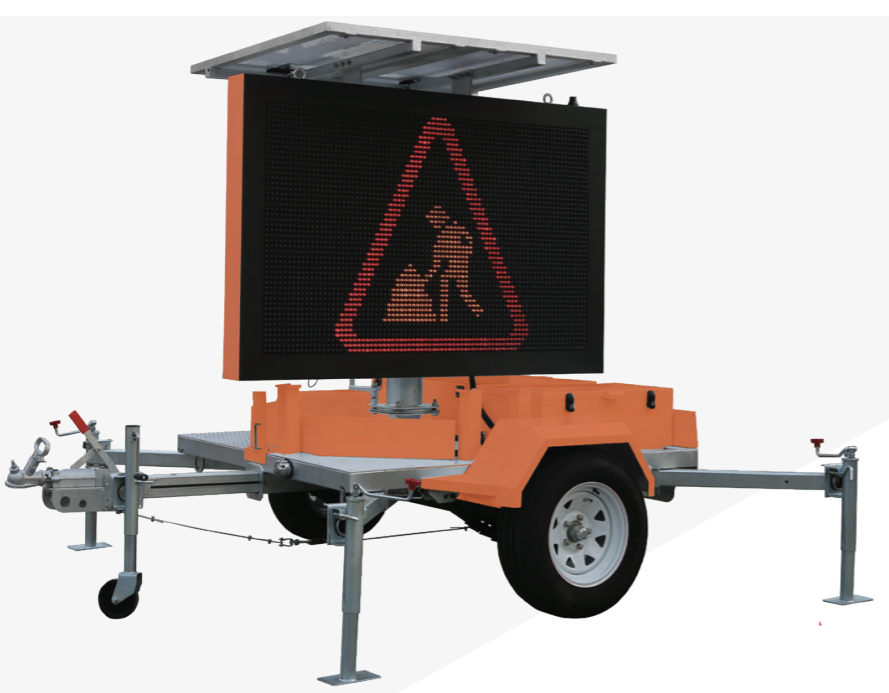
NZTA’s October 2024 Mobile Variable Message Signs specification also refers back to the fixed-VMS specification for relevant technical requirements. The mobile specification covers several areas that matter when assessing a display’s suitability for use on the road network.
- Design life — Mobile VMS equipment is expected to achieve a 10-year design life.
- Environmental protection — Mobile VMS enclosures must meet a minimum IP56 ingress-protection rating.
- Maintenance access — Internal components must be replaceable on site, with standard rear access provided.
- Display requirements — The mobile specification refers to the fixed-VMS specification for display matrix requirements.
- Surface finish — Powder-coated frame surfaces must facilitate graffiti removal.
- UV resistance — Non-metallic trailer components must withstand outdoor exposure, including UV radiation and rain, over the specified design life.
Together, these requirements highlight the importance of environmental protection, durability and practical maintenance access. They also help explain why it’s worth looking beyond the visible display and considering how the equipment is constructed.
One qualification is that the October 2024 mobile-VMS document discussed in the original article is version 0.8, marked Final Draft. Its status and any subsequent amendments should be checked against the current applicable specification before using it to assess a product’s compliance.
Looking Beyond the Initial Purchase Price
The cost of a VMS doesn’t end when it’s purchased and installed. Maintenance, replacement parts, repairs and downtime can all add to the cost of owning the equipment over its working life.
The way a display is constructed can influence some of these costs. A design that protects its electronics effectively and allows components to be repaired or replaced practically may help reduce premature replacement and unnecessary maintenance.
It’s also worth considering what happens when the equipment reaches the end of its life. Aluminium is highly recyclable and may be suitable for refurbishment or reuse. Externally modular LED panels can combine plastics, circuit boards, adhesives, seals and other materials, which may be difficult or uneconomical to separate for recycling.
The internal electronics still require appropriate recycling, regardless of the enclosure type.
For Highway 1, the bigger consideration is how long the equipment lasts and how well it can be maintained. A product that can be kept in service for longer may offer better long-term value than one that needs frequent component replacement.
Why Mobile VMS Needs Particular Attention
A fixed outdoor display and a mobile VMS trailer can face quite different operating conditions.
Mobile equipment is regularly transported, deployed and repositioned. During its working life, it may experience road vibration, rain, road spray, dust, prolonged UV exposure, temperature changes and repeated handling. These conditions place additional demands on the enclosure, seals, electrical connections and circuit boards.
A display designed for a stationary outdoor installation isn’t automatically the best choice for equipment that’s regularly moved around the road network. For mobile VMS, construction and long-term serviceability deserve as much consideration as visual performance. It’s worth understanding how the display is protected, how easily it can be serviced and whether its design is suited to the conditions it will face.
So, Which Display Should You Choose?
Both externally modular and enclosed LED displays can be engineered for outdoor use. Neither construction method guarantees quality on its own, so it’s important to assess the actual product rather than make assumptions based on its design category.
At Highway 1, we favour well-engineered enclosed L-Series displays for our VMS equipment, particularly for mobile applications operating in New Zealand’s demanding conditions.
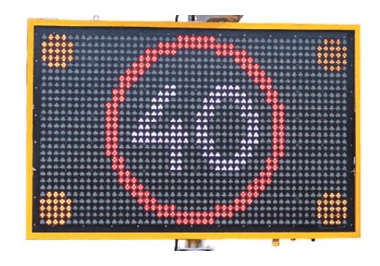
The reasons come down to the potential benefits of protecting internal electronics within a common enclosure, reducing reliance on individually sealed external panels and providing practical access for servicing. These are all worth considering when investing in equipment that’s expected to operate reliably for years.
But before making a decision, feel free to ask one of our sales representatives about how the display is constructed, how its electronics are protected and how maintenance will be carried out once it’s installed. Just send an email to info@highway1.co.nz. We’re here to help.
